
Our Renewable Energy Projects in South Africa
Four major projects. One common goal
KAHRE Renewable Energy Group is developing four renewable energy projects in South Africa. Together, they form a new energy and economic infrastructure.
These projects span two provinces. Each one generates, stores, transports or converts green energy. As a result, value is added at every stage — from hydrogen through to industry and urban use.
RENEWABLE ENERGY
Our Four Renewable Energy Projects


Green Hydrogen Cluster (Northern Cape)
KTE.energy – Northern Cape (KOTULO TSATSI ENERGY)
The KTE.energy project is one of the largest privately initiated renewable energy projects worldwide.
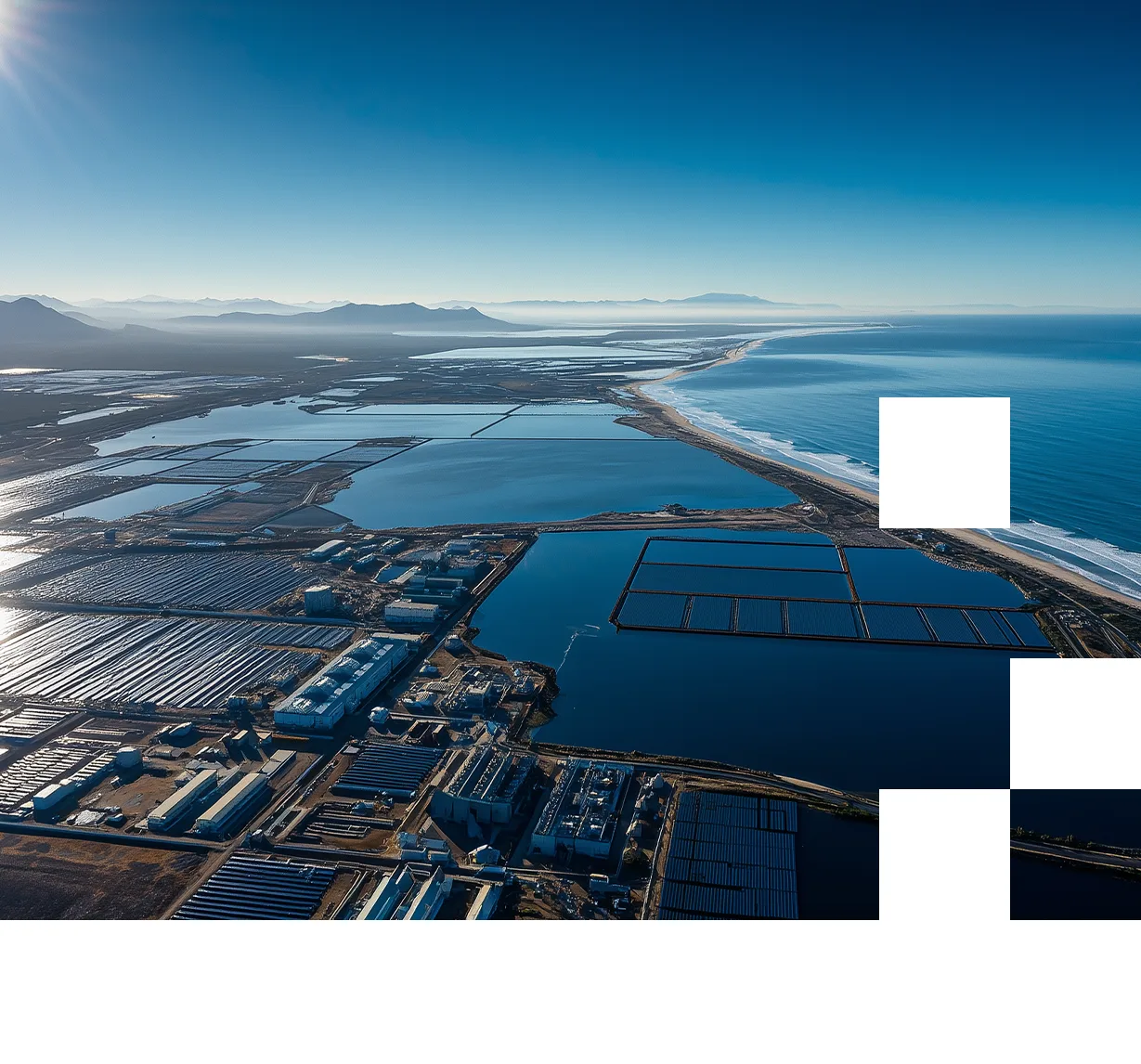
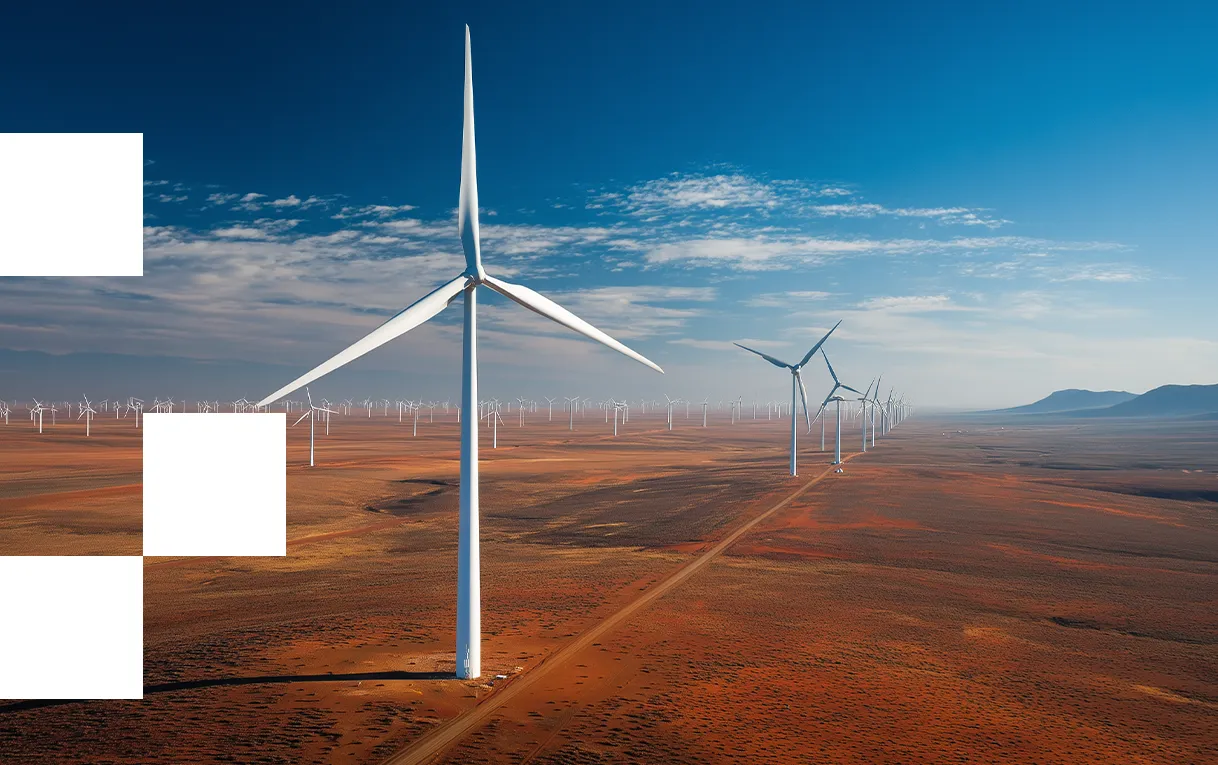
The site covers 85,000 hectares. By 2030, KAHRE will build photovoltaic and wind plants with up to 6 gigawatts (GW) of generation capacity. In addition, the project will add 3.5 GW of electrolysis capacity.
The final expansion phase goes further. We plan up to 20 GW from photovoltaics and wind, plus up to 11 GW of electrolysis capacity. These will produce green hydrogen, green ammonia and e-methanol.
KTE.energy is not only an export project. It will also supply South Africa with affordable, CO₂-neutral electricity. Therefore it contributes directly to the national grid. Government has registered the project as a Strategic Infrastructure Project (SIP), and it forms part of South Africa’s National Green Hydrogen Masterplan.
In cooperation with international industrial partners, KTE.energy pursues two strategic goals
1. The positioning of South Africa as a global export location for green molecules – with sales markets in Europe and Asia,
2. As well as the nationwide supply of affordable green electricity from our own generation capacities.
KTE.energy forms the heart of the South African hydrogen corridor.
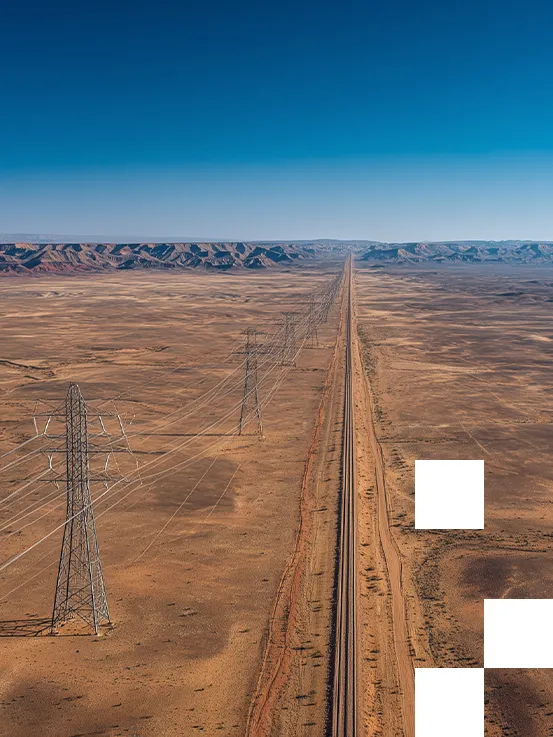
The Lifeline Between Energy Production and Industrialisation
GreenLink Corridor
Location Northern Cape and Western Cape | Length 450 Km
GreenLink connects two regions. It links generation in the Northern Cape to processing and export sites on the West Coast.
The corridor carries transmission lines, water and hydrogen pipelines, and data networks. In effect, it bridges generation, industry and urban development.
Our aim is a CO₂-neutral industrialisation axis. It will move green electricity and hydrogen across the country. Moreover, it will supply Velddrif, Saldanha Bay, greater Cape Town and the wider Western Cape.
Supplying the future with energy and water from renewable sources
Velddrif Water & Power
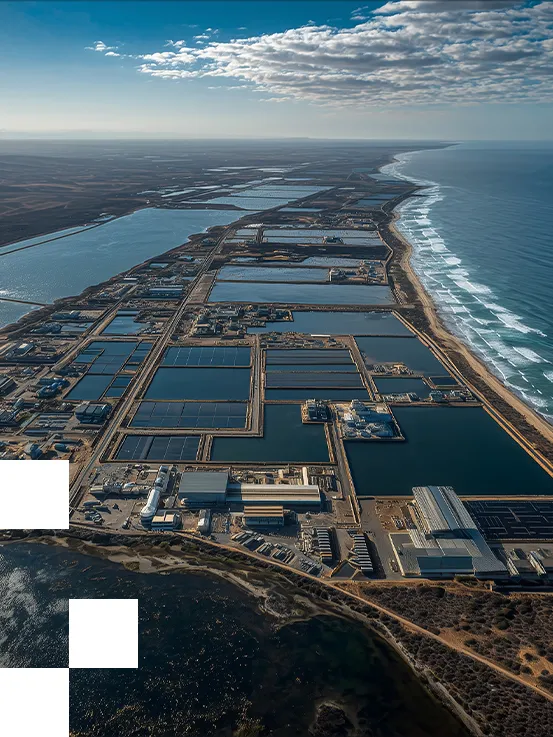
Velddrif Water & Power is building an energy self-sufficient supply network. It delivers green energy and desalinated seawater to local communities, industry and agriculture.
The project combines seawater desalination with wind and solar power from KTE.energy. Velddrif Water & Power then distributes this supply as a regional utility. As a result, the region gains security of supply and the Western Cape moves closer to decarbonisation.
In addition, the project underpins neighbouring EcoVision Velddrif as a sustainable infrastructure platform.
The blueprint for a new generation of cities
EcoVision Velddrif
Location Velddrif, Western Cape | Area 2,700 ha
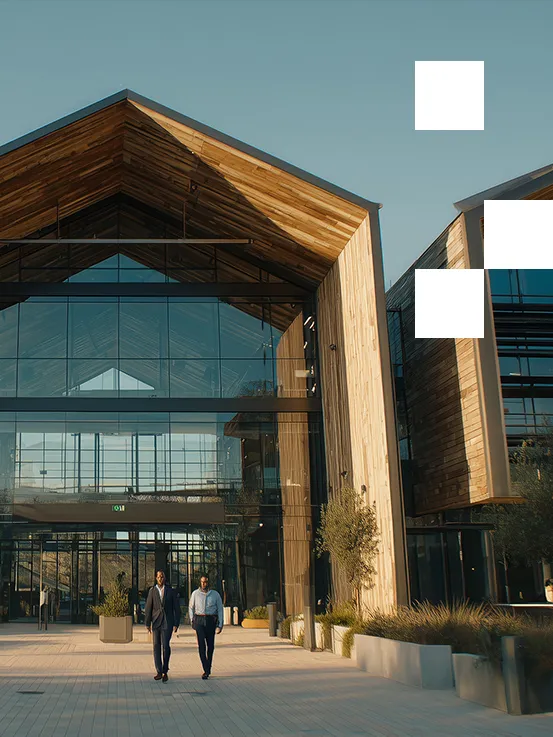
EcoVision Velddrif ranks among Africa’s most ambitious sustainable urban developments. It forms part of a long-term strategy for the west coast. Specifically, we aim to build a centre for green industry, innovation and quality of life.
Over the next 15 years we will build a CO₂-neutral city across roughly 2,700 hectares. It will provide housing, work and living space for around 150,000 people.
The city follows the 15-minute city model. Therefore living, working, education, health, leisure and local amenities all sit within a short walk.
Low-emission mobility, autonomous transport and cycle paths form a dense network. Consequently, traffic and energy use stay minimal.
EcoVision Velddrif runs on 100% renewable energy. Electricity, water and heat come from KTE.energy and Velddrif Water & Power. Because of this, the city is both self-sufficient and resilient to supply shocks.
EcoVision Velddrif is the blueprint for a new generation of cities – climate-neutral, digitally connected and socially balanced – a model for Africa’s urban future.

A location with global relevance
South Africa Renewable Energy Location
Why South Africa is one of the most attractive locations for renewable energy.
Natural location advantages
South Africa has exceptional conditions for the production of renewable energy:
- >3,000 kWh per year solar irradiation (KTE.energy project site in the Northern Cape, world’s highest value).
- Average wind speed over 8 m/s especially at night with wind capacity factors of 45-50%.
- Lowest LCOE Cost (Levelized Cost of Energy) in international comparison.
- Access to Saldanha Bay deep-sea port.
- Stable legal situation and long-term political programs.
Because of this combination, South Africa ranks among the world’s most efficient locations for producing and processing green energy.
Policy Framework and Funding Programmes
Three national programmes drive the strategy: Green Hydrogen South Africa (GHSA), the Hydrogen Society Roadmap (HSRM) and the Just Energy Transition Programme (JETP). Together they target decarbonisation across industry, transport and energy supply.
Furthermore, international partners support these programmes. Germany and the EU in particular contribute financing, technology transfer and market access.
A Global Context for the Energy Transition
South Africa’s energy transition is more than a national project. It is a strategic building block of the global net-zero transformation.
The country exports green molecules such as hydrogen, ammonia and e-methanol. As a result, it helps decarbonise international industries — from steel and chemicals to shipping.
South Africa is the interface between Africa, Europe and Asia – a hub of the global hydrogen economy.